C.Scope CS990XD Metal Detector Review UK
Written by Piotr Lesniewski
Detectorist • Scotland
As an Amazon Associate we earn commission from qualifying purchases. Read our full Affiliate Disclosure.
I've spent years testing gear on UK soil, and the C.Scope CS990XD stands out as a unique non-motion machine. It’s built for durability and precision, yet it handles mineralized ground differently than its modern competitors. While its British construction is impressive, its specific quirks in the field might surprise you. Here is how this classic detector actually performs when you’re hunting for hammered silver.
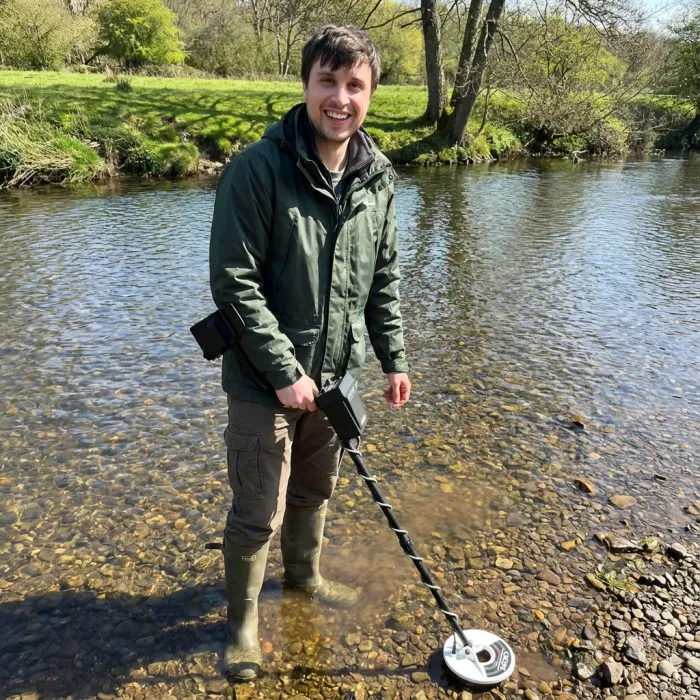
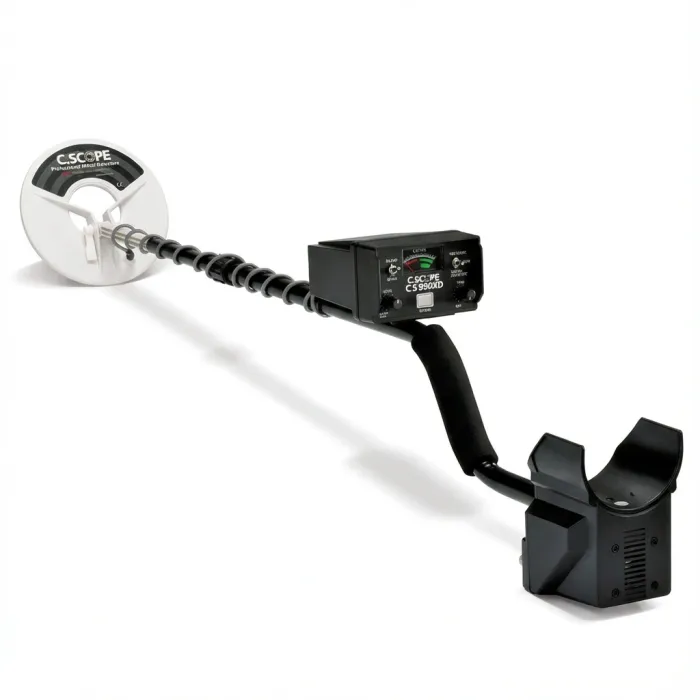
C.Scope CS990XD
As an Amazon Associate we earn from qualifying purchases.
My Final Thoughts
The Good
- ●Lightweight frame prevents arm fatigue during long hunts
- ●Pinpoints targets accurately without constant sweeping motion
- ●Simple interface allows for a fast setup
- ●Reliable performance in mineralized and frozen ground
The Bad
- ●Lacks the depth needed for deep treasures
- ●Struggles to detect targets deeper than five inches
- ●Outdated technology compared to modern motion detectors
- ●Deeper beach performance is noticeably weak in sand
C.Scope CS990XD Unboxing & Initial Setup: 7/10
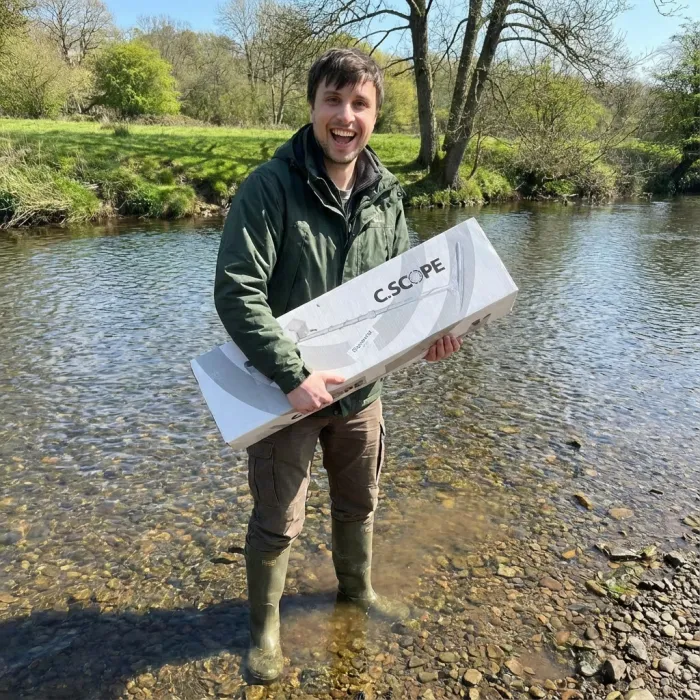
Opening the box reveals a straightforward assembly that'll have you ready for the field in minutes. I found the 8-inch concentric waterproof search coil, the control box, and the 8x AA batteries neatly tucked inside. You won't struggle with complex wiring; the components snap together intuitively. I particularly appreciate the accessible battery compartment and the adjacent sockets for my headphones and charger.
The interface looks invitingly simple. I quickly located the on/off switch, the tuning dial, and the discrimination level knob. There's even a handy ground exclusion switch and a push-button retune for rapid calibration. Setting up for specific environments is a breeze since I can toggle between inland and beach modes immediately. The signal meter gives instant feedback, allowing me to test the audio discrimination before I head out. It’s a remarkably lightweight package that feels balanced the moment I pick it up, promising a fatigue-free start.
C.Scope CS990XD Design, Build Quality & Ergonomics: 8/10
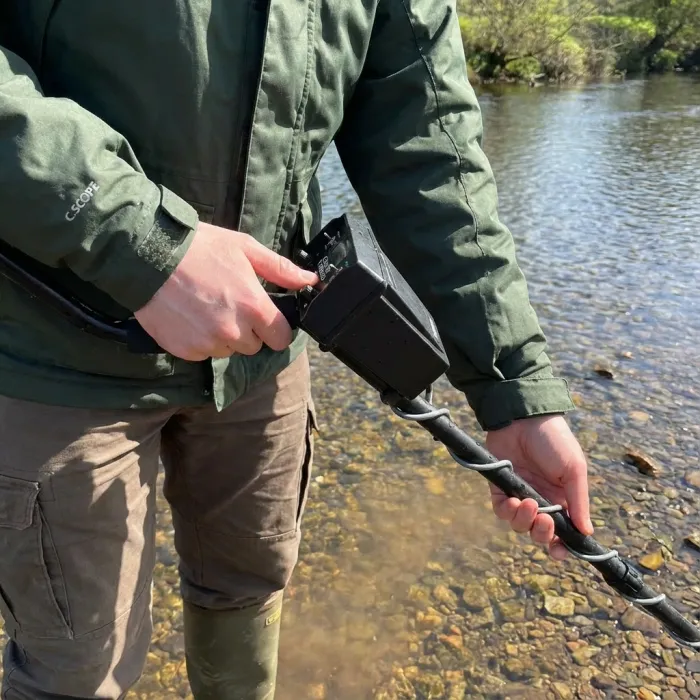
Comfort is the standout feature of this detector's design. At just 2.3kg, it feels incredibly light during long sessions. I've noticed the counterbalanced stem and integrated armrest work perfectly together, preventing the arm fatigue I often catch with heavier models. Its UK-made construction feels remarkably robust, handling mineralized or frozen soil without a single rattle.
The build quality reflects C.Scope’s reputation for durability. I appreciate the professional finish and the intuitive control panel layout. While it lacks modern, flashy aesthetics, its utilitarian frame stands up to real-world abuse. The waterproof 8-inch search coil adds versatility, letting me transition from inland fields to wet beach sand confidently. I find the balance superb, making it easy to maneuver in narrow trenches despite its older silhouette. It’s a well-engineered tool that prioritizes physical ease and longevity over unnecessary frills, justifying my high rating for its ergonomics.
C.Scope CS990XD Key Features & Technology: 7/10
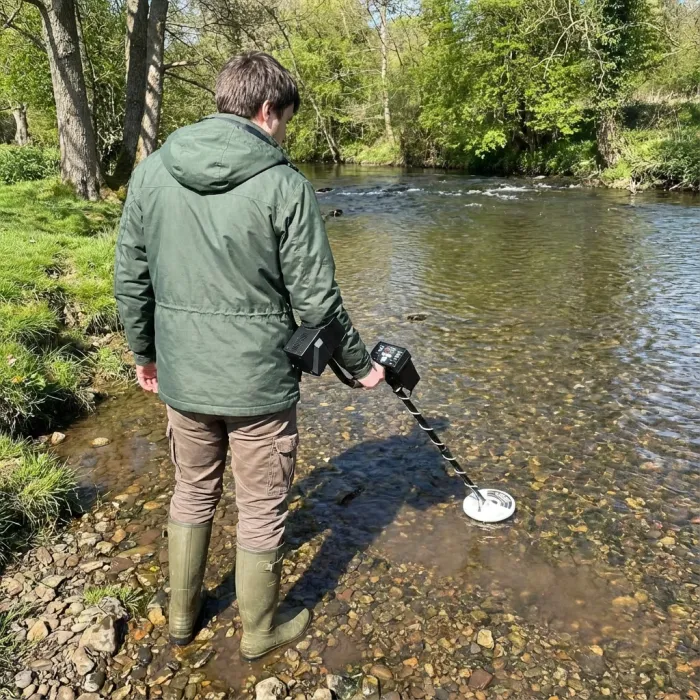
Precision defines the CS990XD’s non-motion 17kHz VLF circuitry, which lets you pinpoint targets without the constant sweeping motion required by most modern detectors. I find this technology invaluable when I’m working in tight spots or narrow trenches. You just hold the coil still over the ground to receive a continuous signal. It features infinitely variable audio and meter discrimination, allowing me to filter out iron and trash effectively. The meter provides clear visual feedback on signal strength, while the audio shift delivers a lower tone for ferrous junk.
I appreciate the dedicated "Inland" and "Beach" modes that adapt the machine to different mineralization levels. The push-button retune is a lifesaver for maintaining stability as ground conditions fluctuate. While it lacks the multi-frequency depth of high-end units, its ground exclusion and signal sensitivity make it a reliable mid-tier contender for finding small coins. It's straightforward technology that simply works.
C.Scope CS990XD In-the-Field Performance Review: 6/10
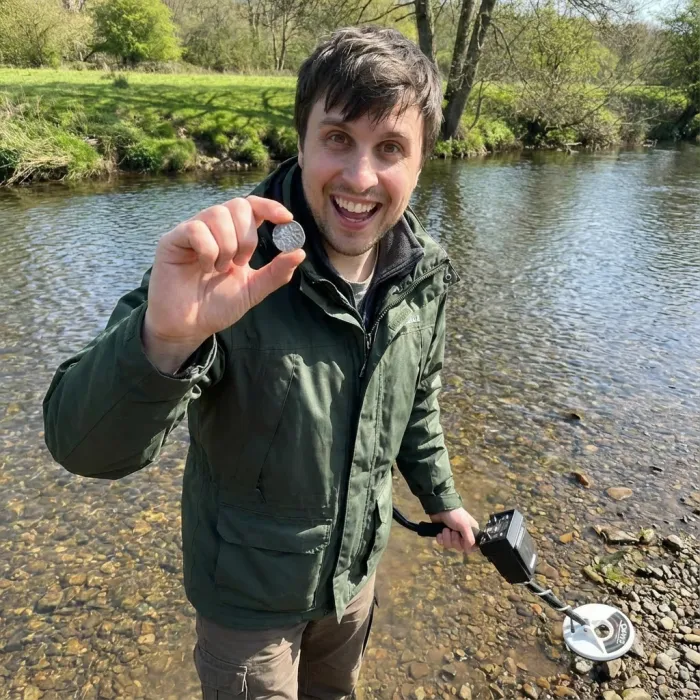
While the technology provides a solid foundation, putting the CS990XD to work in the field reveals both its specialized strengths and its undeniable depth limitations. I’ve found its non-motion operation excels in tight trenches and mineralized soil where sweeping is difficult. On Roman sites, it’s remarkably stable, identifying lead seals and hammered silver coins with ease. The audio discrimination works brilliantly to reject iron trash, and the signal meter gives me clear feedback on target strength.
However, I can’t ignore the shallow detection range. On the beach, I rarely hit targets deeper than four or five inches. Even after fine-tuning the beach mode, it struggles to punch through wet sand. While it handles frozen ground and salty environments without falsing, it simply lacks the raw power of modern motion detectors. It’s a reliable, quiet performer for surface-level finds, but don’t expect it to recover deep treasures.
C.Scope CS990XD User Experience & Learning Curve: 7/10
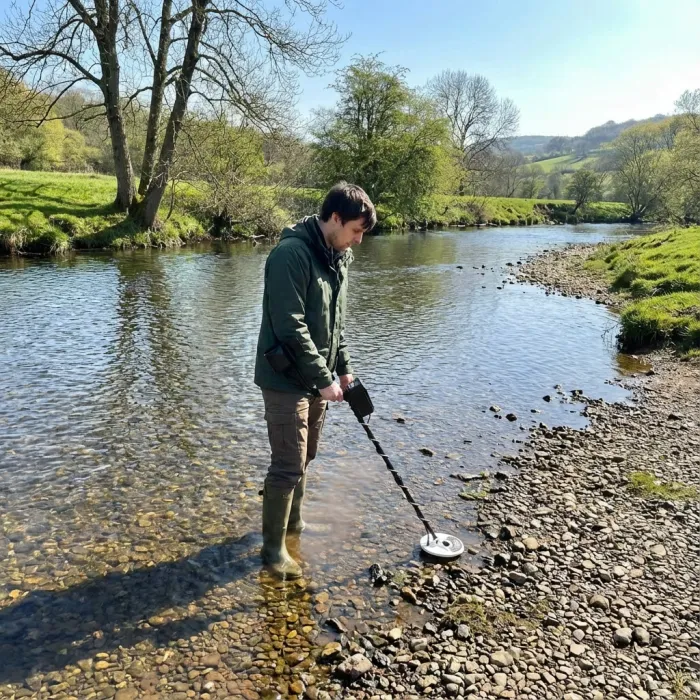
Many newcomers find the transition to a non-motion machine surprisingly smooth, even if they’ve previously dabbled with high-end motion detectors. I’ve noticed that breaking the habit of constant sweeping takes a moment, but once you adapt, the CS990XD’s simplicity shines. The interface isn’t cluttered with digital menus; instead, you get tactile knobs and a clear meter that provides instant feedback. I find the audio discrimination particularly intuitive—low tones for iron save me from digging trash, while the needle jump on the meter confirms a solid target.
While I’ll admit the controls might seem slightly cryptic without the manual, most amateurs find their rhythm within an hour. The push-button retune is a lifesaver for maintaining stability in mineralized soil. It’s an ergonomic, quiet companion that doesn't overwhelm you with data. If you’re an archaeologist or a hobbyist seeking a focused, fuss-free experience, this machine offers a gentle learning curve.
C.Scope CS990XD Value For Money: 8/10
Although it’s an older model, the CS990XD remains a steal for anyone needing a reliable backup or a capable entry-level machine. At its mid-range price point, I’m getting a robust, UK-made tool that handles mineralized soil better than many modern budget alternatives. I appreciate the five-year parts warranty, which adds significant long-term security to my investment. While it won't out-depth high-end professional machines, its pinpointing accuracy and effective iron rejection offer genuine utility for every pound spent.
I’ve found that it rivals more expensive competitors like the Viking VK40 in terms of sheer reliability. For hobbyists or archaeologists sifting through shallow sites, the performance-to-cost ratio is hard to beat. I’m not paying for flashy digital screens or complex menus; I’m paying for a balanced, functional hardware setup that works right out of the box. It’s a sensible purchase that delivers consistent results without breaking the bank.
The Breakdown
Final Verdict
The C.Scope CS990XD metal detector is best for beginners and archaeologists working in tight spaces. Its non-motion design and intuitive controls make it perfect for precision work on shallow inland sites.
As an Amazon Associate we earn from qualifying purchases.
C.Scope CS990XD My Final Verdict: 7/10
The C.Scope CS990XD stands as a dependable, lightweight non-motion detector that punches above its weight in ergonomics and ease of use. I’ve found it’s a fantastic entry point for beginners or a reliable backup for seasoned pros. Its standout feature is definitely the pinpointing precision, which makes recovering shallow targets like coins and artifacts incredibly simple. While it doesn't boast the cutting-edge depth of modern motion detectors—capping out around five inches—it compensates with rock-solid stability in mineralized soils and frozen ground.
I appreciate the straightforward discrimination and the intuitive meter, though I’ll admit the tech feels a bit dated compared to current multi-frequency rivals. It’s an ideal choice for archaeologists or hobbyists who prioritize comfort and simplicity over raw power. If you’re hunting inland sites and want a well-balanced machine that won't break your back or bank account, I’m confident recommending this classic.
Author Profile
Piotr Lesniewski
"Digging up the past, one signal at a time."
Polish-born, Scotland-based, and obsessed with the beep. My passion began decades ago, exploring fields with my Dziadek (grandfather). Now, with over 10 years of digging under my belt, I'm here to share everything I've learned—unfiltered and unbiased—to help you unearth your own piece of history. No sales pitches, just real field experience.