Viking VK20 Metal Detector Review UK

Written by Piotr Lesniewski
Detectorist • Scotland
As an Amazon Associate we earn commission from qualifying purchases. Read our full Affiliate Disclosure.
I've spent years testing entry-level machines on British soil, and the Viking VK20 stands out as a practical contender for those starting out. It's lightweight and budget-friendly, yet its simple interface hides a surprisingly capable recovery speed. However, while its ease of use earns high marks, a few specific performance limitations might change your mind about whether this classic British build truly fits your local terrain.
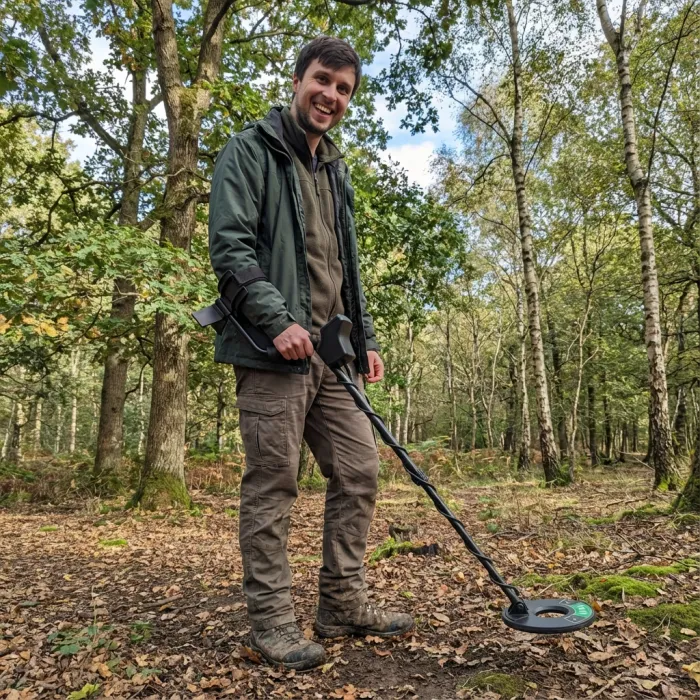
Viking VK20
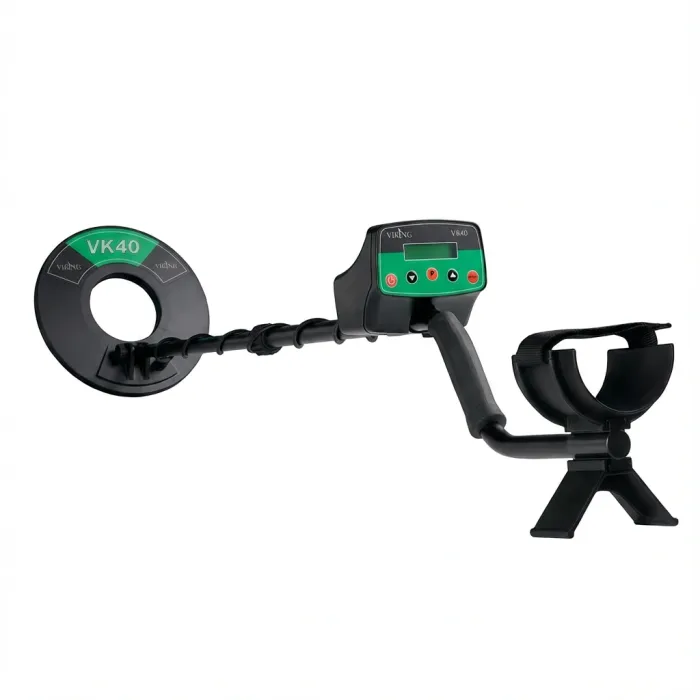
As an Amazon Associate we earn from qualifying purchases.
My Final Thoughts
The Good
- ●Simple switch-on-and-go operation for immediate hunting
- ●Lightweight frame prevents arm fatigue during use
- ●Compact design fits easily into small car boots
- ●Dedicated beach mode handles wet sand reliably
The Bad
- ●Missing a dedicated pinpoint mode for precise digging
- ●Constant coil motion is required to receive signals
- ●Lacks the depth needed for deep buried treasures
- ●Technology is too basic for advanced relic hunting
Viking VK20 Unboxing & Initial Setup: 8/10
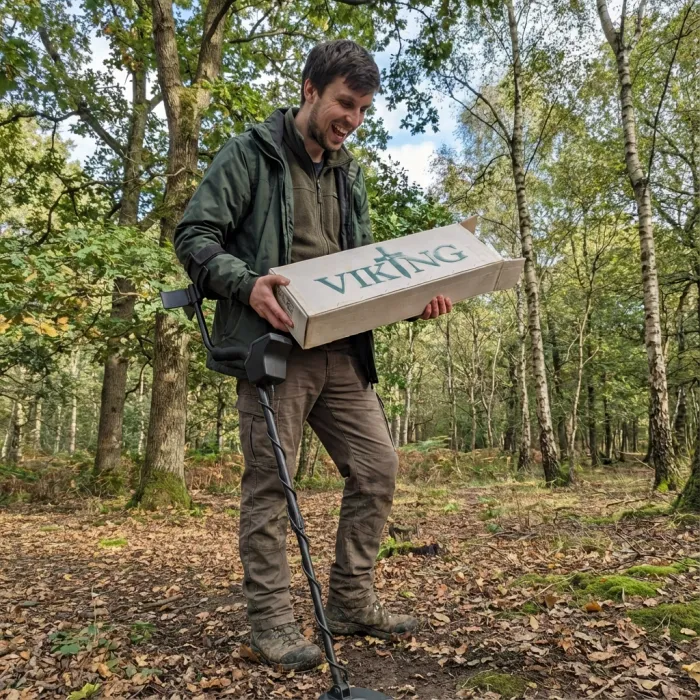
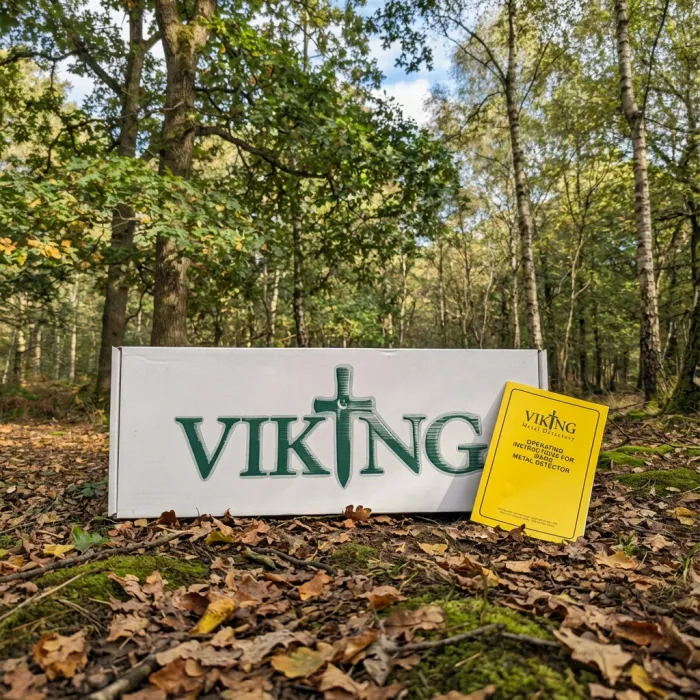
Since the Viking VK20 is a true "switch-on-and-go" machine, you'll find the setup process incredibly painless for a beginner. I noticed right away that retailers typically bundle this detector with headphones and batteries, so I didn't have to scramble for extras. Once I unboxed the unit, I simply inserted the power cells and used the built-in battery check function to confirm everything was ready. The assembly is straightforward, requiring only a few minutes to connect the components before I was out in the garden.
I appreciate that the included manual, which it shares with the VK30, clearly explains how to use the pushbutton to toggle between inland and beach modes. The packaging is compact, and because the detector dismantles to a length of just 56 cm, I found it easy to store in my car. It's a no-fuss experience that gets you hunting almost immediately.
Viking VK20 Design, Build Quality & Ergonomics: 7/10
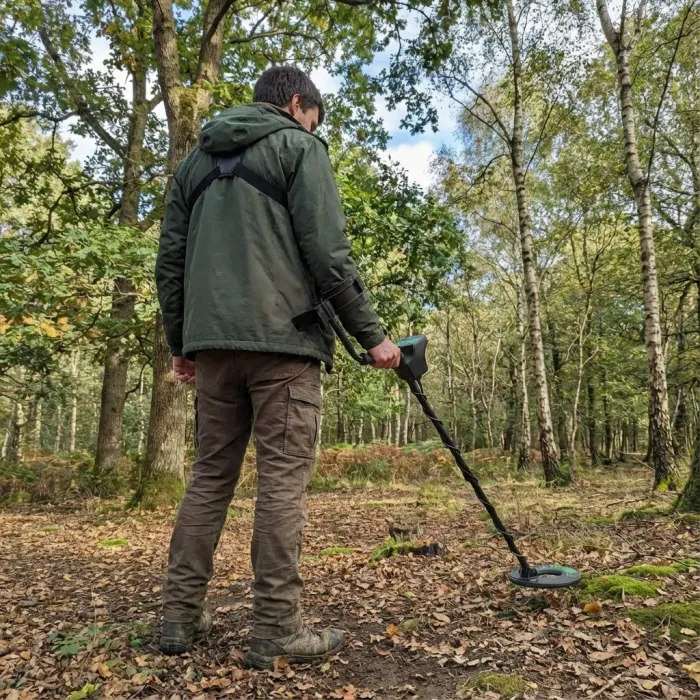
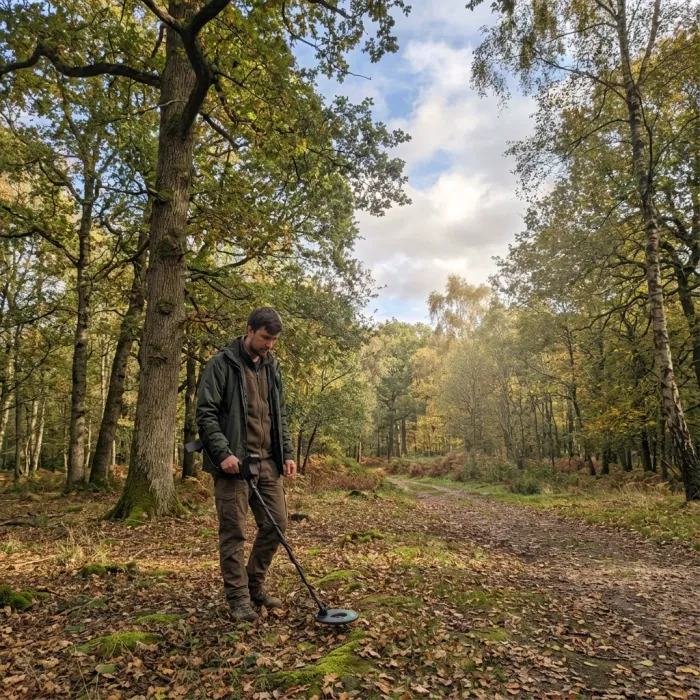
The 1.4 kg frame of the Viking VK20 feels impressively light in my hands, making it a breeze to carry for a few hours in the field. Its ergonomic 125 cm length provides a balanced swing, so I don't feel any strain on my arm during longer sessions. I find the build quality typical for a UK-spec machine; it’s robust enough to handle the rigours of inland soil and coastal breezes.
The 20.5 cm waterproof search coil adds great versatility. I can confidently sweep near the shoreline without worrying about the hardware. While the materials aren't premium, they’re perfectly functional for an entry-level price point. When I’m finished, the unit collapses down to just 56 cm. This compact size makes it incredibly easy to toss into my car boot or store in a cupboard. It’s a straightforward, durable design that prioritises portability and comfort for every user.
Viking VK20 Key Features & Technology: 6/10
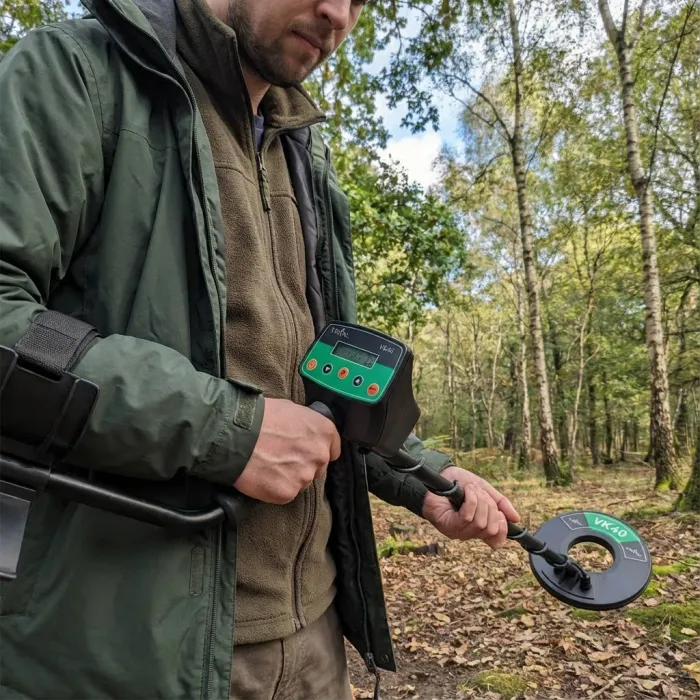
Functionality takes center stage with the VK20, though its motion-only detection means I’ve always got to keep the coil moving to catch a signal. Unlike the VK30, this model lacks a dedicated non-motion pinpointing mode, which forces me to rely on my sweeping technique to center targets. I appreciate the 16x1 alphanumeric LCD because it provides a clear Target ID, letting me identify metal types quickly.
The interface offers adjustable sensitivity and discrimination controls, which are essential when I’m working through trashy ground. A simple pushbutton toggles between dedicated beach and inland modes, ensuring the electronics adapt to changing soil mineralization. While I value the built-in battery check for monitoring power, the technology remains fairly basic. You won’t find modern extras like multi-frequency operation or wireless audio here. It’s a straightforward, functional toolkit that prioritizes essential detection tech over flashy, high-end features.
Viking VK20 In-the-Field Performance Review: 6/10
While taking the VK20 out into the field, I found its performance steady but predictable for an entry-level machine. On inland soil, it detects shallow coins and modern relics reliably. The motion-based tech means I have to keep the coil moving to get a signal, which helps me cover ground quickly. However, without a dedicated pinpoint mode, I’ve found that locating the exact center of a target requires multiple overlapping sweeps.
When I moved to the coast, the dedicated beach mode handled wet sand surprisingly well for a budget detector. It doesn't lose its cool over mineralisation like some competitors. In a direct head-to-head against the Garrett Ace 250, the VK20 held its own on surface finds, though it struggled with deeper signals. It's a solid workhorse for casual outings in parks or fields, even if it lacks the punch needed for tiny, deep-seated treasures.

Viking VK20 User Experience & Learning Curve: 9/10
Simplicity is where the VK20 truly shines, making it a standout choice for anyone who doesn't want to spend hours reading a manual. I found the "switch-on-and-go" operation incredibly refreshing. Unlike complex machines with endless sub-menus, this detector uses an intuitive layout that let me start searching within seconds. The addition of the 16x1 alphanumeric LCD is a massive upgrade over audio-only entry models. It provides clear Target ID feedback, meaning I spent less time guessing what was beneath my coil and more time digging.
The learning curve is practically non-existent. I quickly mastered the pushbutton toggles for beach and inland modes, which makes it perfect for kids or first-time hobbyists. Its lightweight 1.4 kg frame ensures I don't feel fatigued during long sessions. While it lacks a non-motion pinpointing mode, the straightforward controls offer a stress-free experience that prioritizes fun over technical frustration. It’s genuinely user-friendly.
Viking VK20 Value For Money: 8/10
Affordability is the main draw here, as the VK20 delivers a solid feature set for a modest price of around £229.95. I find this price point particularly impressive because most retailers bundle the machine with headphones and batteries. This means you won’t face hidden costs before your first hunt. While it lacks the advanced depth of £300+ competitors, it provides a functional LCD and a dedicated beach mode that many entry-level machines skip.
I appreciate that I’m getting a reliable, UK-made tool that doesn’t feel like a cheap toy. You’re paying for a streamlined experience that works across various terrains without the complexity of high-end rigs. For a budget-conscious hobbyist, the balance between cost and capability is spot on. It offers enough technology to keep me successful in the field while remaining accessible. It’s a smart investment if you want a no-fuss machine that retains its purpose.
The Breakdown
Final Verdict
Viking VK20 metal detector is best for first-time hobbyists or children who want a simple, portable machine. It serves as a reliable, cost-effective tool for those prioritizing comfort and ease of operation over advanced technical features.
As an Amazon Associate we earn from qualifying purchases.
Viking VK20 My Final Verdict: 7/10
Versatility makes the Viking VK20 a solid contender if you're looking for a straightforward entry point into the hobby. After testing its capabilities, I’ve landed on a final score of 7/10. It’s a dependable, UK-built machine that strips away the complexity often found in modern detectors, making it ideal for absolute beginners or casual hobbyists. I love the "switch-on-and-go" simplicity and the lightweight build, which keeps you out in the field longer without fatigue.
However, it isn’t perfect. The motion-only operation means you’ll miss the precision of a dedicated pinpointing mode found on rivals like the Garrett Ace 250. While its beach mode performs well, don’t expect ground-breaking depth for deep relic hunting. Ultimately, if you want an affordable, no-fuss tool for parks or coastal wanders, it’s a great value. It’s a reliable workhorse for starting your journey before eventually upgrading to more advanced tech.
Author Profile
Piotr Lesniewski
"Digging up the past, one signal at a time."
Polish-born, Scotland-based, and obsessed with the beep. My passion began decades ago, exploring fields with my Dziadek (grandfather). Now, with over 10 years of digging under my belt, I'm here to share everything I've learned—unfiltered and unbiased—to help you unearth your own piece of history. No sales pitches, just real field experience.