C.Scope CS4PI Metal Detector Review UK
Written by Piotr Lesniewski
Detectorist • Scotland
As an Amazon Associate we earn commission from qualifying purchases. Read our full Affiliate Disclosure.
C.Scope CS4PI Metal Detector Review UK
I've spent years testing gear on Britain’s rugged coastlines, and the C.Scope CS4PI stands out as a unique beast. While most budget detectors fail the moment they hit wet, salty sand, this British-made machine claims to thrive in those exact conditions. I’ve put its Pulse Induction technology to the test to see if it actually delivers. The results might change how you approach your next beach hunt.
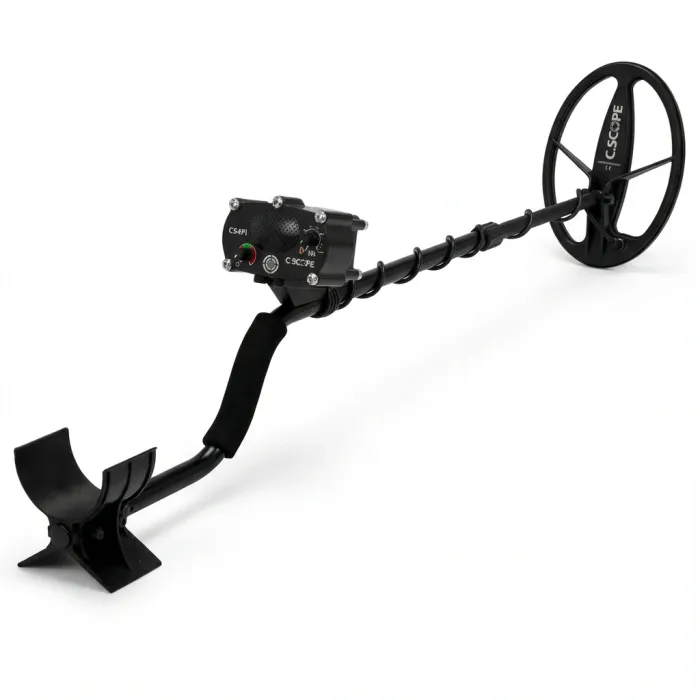
C.Scope CS4PI
As an Amazon Associate we earn from qualifying purchases.
My Final Thoughts
The Good
- ●Excels on wet sand and salty shorelines
- ●Finds deep targets where other detectors fail
- ●Simple controls make hunting easy for everyone
- ●Professional beach performance at a hobbyist price
The Bad
- ●Lacks target ID so you dig every signal
- ●Poor ergonomics cause forearm fatigue during use
- ●Constant noise makes park hunting very frustrating
- ●Buried junk cannot be filtered from good finds
C.Scope CS4Pi Unboxing & Initial Setup: 8/10
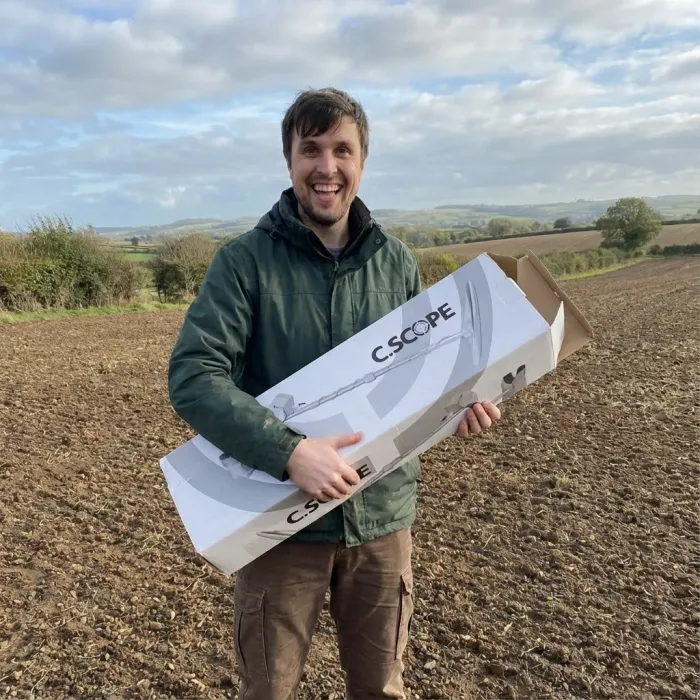
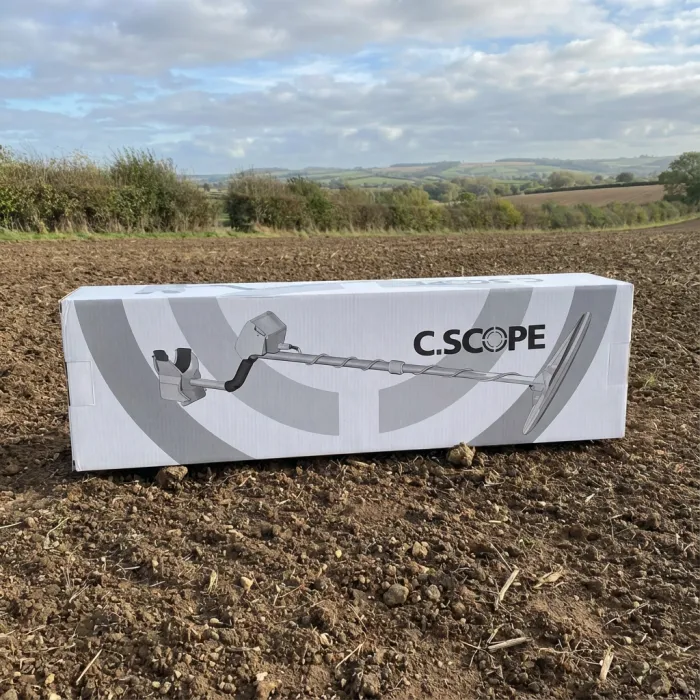
While the C.Scope CS4Pi arrives in a no-frills package, you'll find everything needed to hit the beach immediately. I pulled out the 20x28 cm elliptical search head, the control box, and the shaft components without wading through unnecessary plastic. It includes eight AA alkaline batteries, so I didn't have to run to the shops before my first hunt. I found the assembly intuitive; I simply slotted the poles together and secured the coil.
The setup process felt incredibly refreshing because there aren't any complex apps or hidden menus. I just installed the batteries into the unit, switched it on, and turned the two dials—Sensitivity and Discrimination—to the recommended green zones. This balance provides a stable starting point for the microprocessor to handle mineralization. The included manual is brief but effective, providing enough guidance for me to begin testing targets on the wet sand within minutes of unboxing.
C.Scope CS4Pi Design, Build Quality & Ergonomics: 7/10
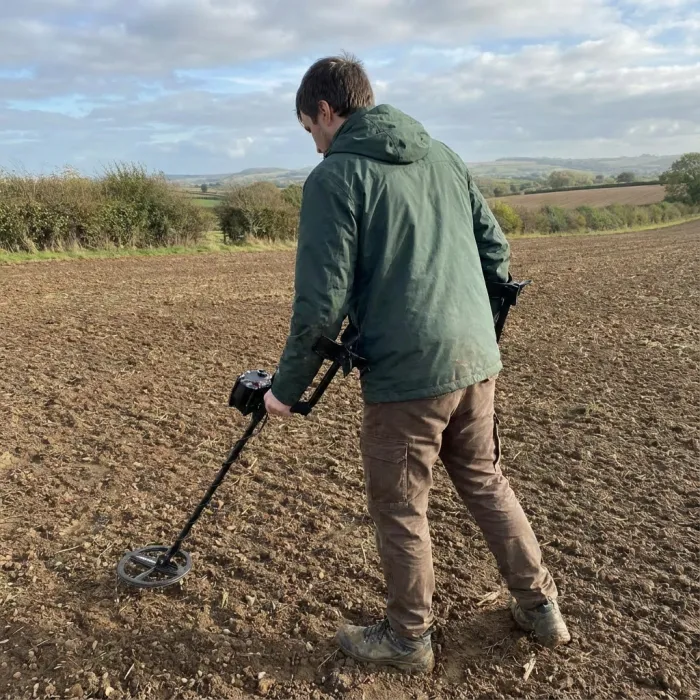
The CS4Pi’s straightforward setup reflects a broader design philosophy focused on rugged durability rather than aesthetic flair. I find the build quality exceptionally robust, featuring weather-resistant components that easily withstand harsh, salty spray. Its control box feels solid and houses two intuitive knobs, mounted securely on a lightweight frame. The elliptical search head glides smoothly over uneven sand, though its size occasionally feels bulky in tighter spots.
While the machine feels well-balanced, the ergonomics leave room for improvement. I noticed the lack of a padded grip or an adjustable arm cuff, which makes extended sessions a bit taxing on the forearm. It prioritizes function over form, providing a utilitarian tool that won't break after a few drops. Ultimately, the CS4Pi offers a reliable, no-frills construction suited for the coast, even if it lacks the modern comforts found on pricier, more ergonomic competitors in the market.
C.Scope CS4Pi Key Features & Technology: 8/10
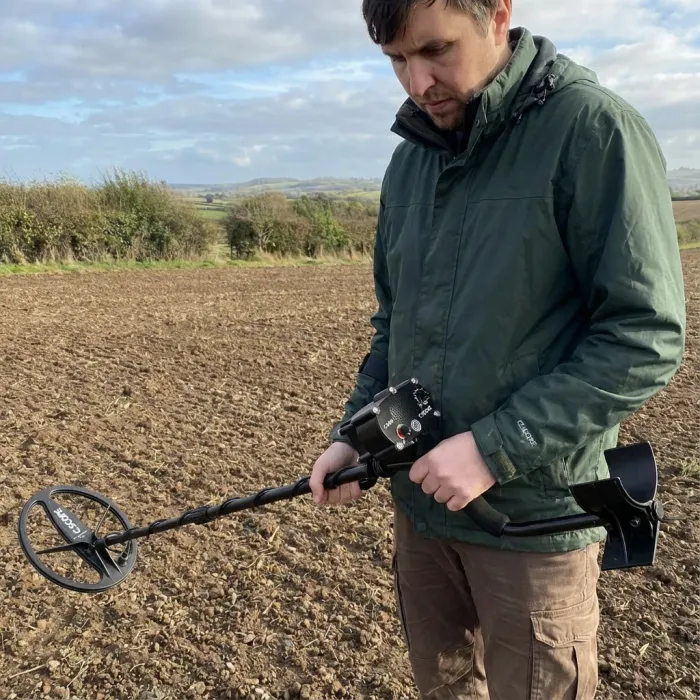
Much of this machine’s prowess stems from its specialized Pulse Induction (PI) technology, which effortlessly ignores the salt mineralization that typically cripples standard VLF detectors on wet sand. I’ve found its 1-4.2 kHz variable frequency, controlled via a microprocessor, provides a surprisingly stable signal even when the surf’s crashing nearby. You’re only dealing with two main knobs—sensitivity and discrimination—which keep the operation refreshingly simple.
Instead of a complex screen, I rely on the multi-tone audio and a responsive LED indicator to signal a find. It operates in a motion-based, all-metal mode, meaning it’ll beep for everything from gold rings to iron nails. While it lacks VDI numbers, the automatic ground balancing ensures I’m not constantly fighting false signals from mineralized ground. It’s a specialized beast that prioritizes raw power and ease of use over unnecessary digital fluff, outperforming many pricier rivals in harsh coastal environments.
C.Scope CS4Pi In-the-Field Performance Review: 8/10
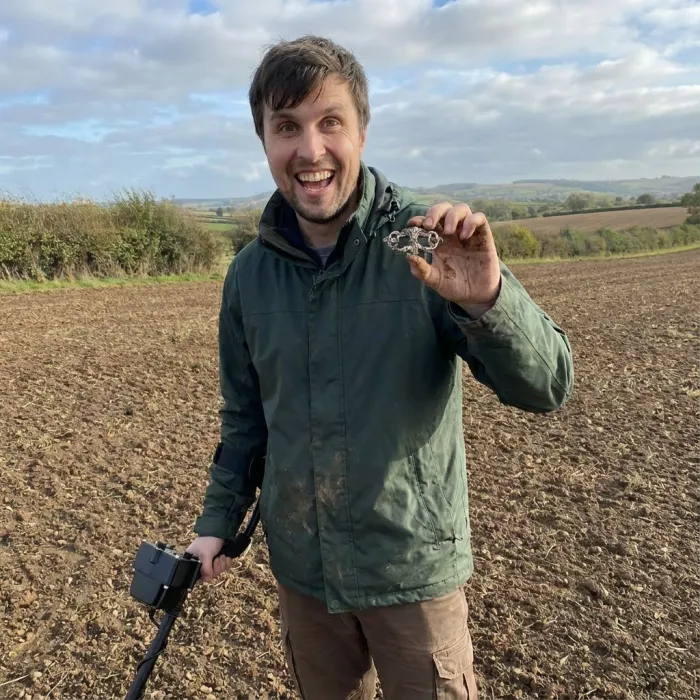
Although I’ve tested more expensive machines, the CS4Pi truly shines once you hit the wet sand and salt spray of the shoreline. While standard VLF detectors often struggle and chatter near the tide, this Pulse Induction powerhouse remains remarkably stable. I’ve enjoyed finding coins and jewelry at impressive depths where mineralization usually kills signals. Its ability to ignore salt is the real game-changer here.
On dry land or in parks, the performance shifts. I’ve noticed it becomes a bit more vocal, and since it lacks a target ID, I’m digging every signal. This means plenty of junk comes up alongside the good stuff. However, in mineralized soil where other detectors fail, the CS4Pi keeps punching through. The audio and LED feedback are sharp, helping me center targets quickly. It isn't a versatile all-rounder, but for focused beach hunting, its raw power is hard to beat.
C.Scope CS4Pi User Experience & Learning Curve: 9/10
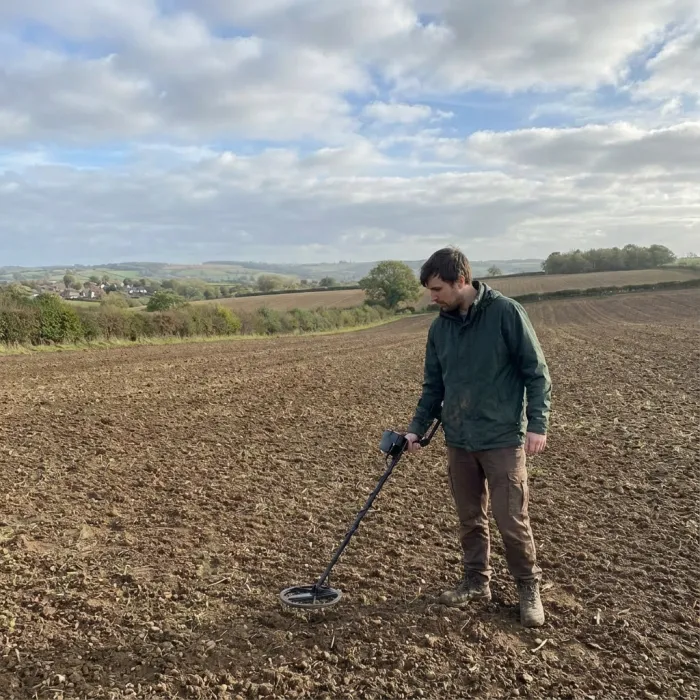
Because it features only two primary knobs, you won't find a simpler entry point into the world of pulse induction. Within minutes of unboxing the C.Scope CS4Pi, I felt like a pro. You just flick the sensitivity and discrimination dials to the marked green zones and start swinging. There aren't any nested menus or confusing digital interfaces to navigate, which I find incredibly refreshing.
The learning curve is virtually non-existent for beach use. I quickly mastered the audio buzz and LED responses through basic trial and error. While I have to dig every signal because there’s no visual target ID or depth indicator, the machine’s predictability makes the process fun rather than frustrating. It’s a "switch on and go" tool that removes the technical barriers common in high-end detectors. Whether you’re a beginner or a casual hobbyist, you’ll appreciate how easily this unit tames difficult, salty environments.
C.Scope CS4Pi Value For Money: 9/10
When it comes to bang for your buck, the C.Scope CS4Pi really stands out by hitting well above its weight class. I’ve found that this machine offers specialized Pulse Induction power at a fraction of the cost you’d pay for high-end competitors. While those premium models often carry a four-digit price tag, this detector delivers comparable stability in harsh, salty wet sand without draining your bank account.
You aren't paying for flashy screens or useless bells and whistles here. Instead, you're investing in a durable, UK-made tool that excels exactly where budget VLF machines fail. The long battery life from standard AAs and the rugged build mean you won’t face constant maintenance costs. If you primarily hunt on the coast, the return on investment is fantastic. I genuinely believe it’s a bargain for anyone wanting professional-level beach performance on a hobbyist’s budget. It’s pure, affordable efficiency.
The Breakdown
Final Verdict
C.Scope CS4PI metal detector is best for dedicated beach hunters working on wet sand. It is ideal for users who prioritize deep detection and simple operation over modern digital displays.
As an Amazon Associate we earn from qualifying purchases.
C.Scope CS4Pi My Final Verdict: 8/10
While I wouldn't recommend it for every environment, the C.Scope CS4Pi is a specialized powerhouse that truly excels on the shoreline. I'm impressed by its ability to ignore salt mineralization, a feat that often baffles more expensive VLF machines. If you're hunting wet sand or rock pools, this detector's Pulse Induction technology provides a stable, deep search that's hard to beat for the price.
I’ve given it an 8/10 because it's the ultimate "switch on and go" tool for beach enthusiasts. However, I can't ignore its limitations on dry land. The lack of target ID means you'll dig plenty of junk, and its chattery nature in parks makes it a niche choice. It isn't a versatile all-rounder, but as a dedicated beach hunter, it’s superb. If you want simplicity and performance without a hefty price tag, I'd say this is your best bet.
Author Profile
Piotr Lesniewski
"Digging up the past, one signal at a time."
Polish-born, Scotland-based, and obsessed with the beep. My passion began decades ago, exploring fields with my Dziadek (grandfather). Now, with over 10 years of digging under my belt, I'm here to share everything I've learned—unfiltered and unbiased—to help you unearth your own piece of history. No sales pitches, just real field experience.